
Many pets make a variety of sounds—sometimes to the absolute dismay of their keepers. Barking dogs, meowing cats at 3 AM, chirping birds that never seem to stop. These noises can fray even the most patient pet parent’s nerves.
Tortoise keepers, by contrast, can rest easy knowing their pets are generally quiet animals. But here’s what surprises most new tortoise owners: tortoises aren’t completely silent. They actually make several distinct tortoise sounds that can catch you off guard the first time you hear them.
Some of these sounds are perfectly normal and nothing to worry about. Others might indicate stress, breeding behavior, or even health problems that need attention. Understanding what different tortoise sounds mean helps you better care for your pet and recognize when something might be wrong.
This guide covers all the common (and some uncommon) tortoise sounds you might hear from your pet. You’ll learn what causes each sound, what it means, when to be concerned, and how to respond appropriately. By the end, you’ll be able to interpret your tortoise’s vocalizations like an expert.
- The Most Common Tortoise Sound: Hissing
- Courtship Sounds: Low Rumbles and Groans
- Mating Sounds: The Strangest Tortoise Vocalizations
- Mechanical Sounds: Non-Vocal Noises
- Sounds That Indicate Health Problems
- Ultrasonic Sounds: The Fascinating Hypothesis
- How to Reduce Unwanted Tortoise Sounds
- Understanding Your Individual Tortoise's Sounds
- Species Differences in Tortoise Sounds
- The Bottom Line on Tortoise Sounds
- Never Miss Warning Signs—Get Expert Support
The Most Common Tortoise Sound: Hissing
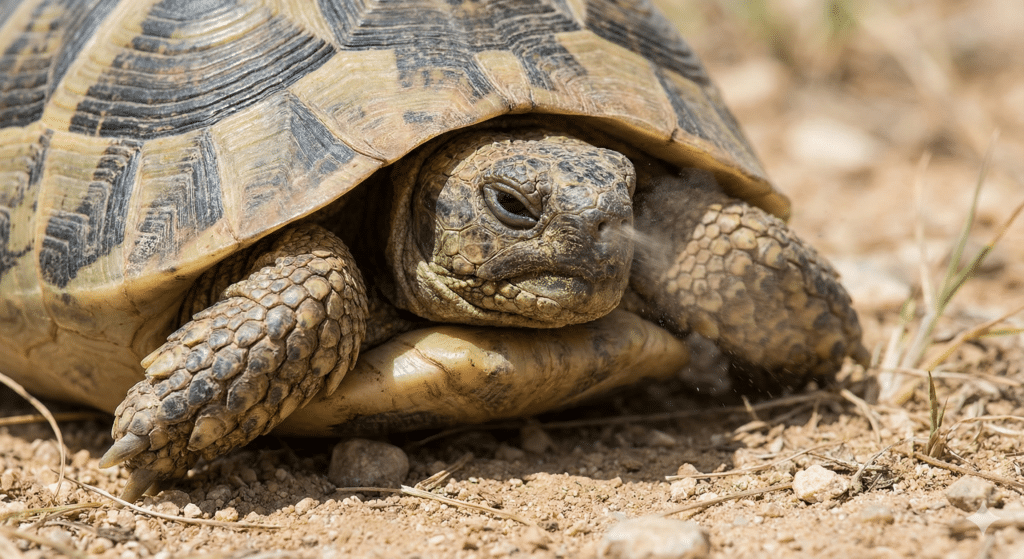
The sound you’re most likely to hear from your tortoise is hissing. Nearly all tortoise keepers have heard this at some point, typically when their pet withdraws into its shell.
But before you imagine snake-like hissing, understand that tortoise hissing sounds quite different. It’s more like a forceful exhalation or a sharp exhale of air—not the prolonged sibilant sound snakes make.
When Tortoises Hiss
Tortoises don’t hiss every single time they pull into their shells. You’ll hear this sound most reliably when they withdraw because of a perceived threat—even if that “threat” is just you approaching their enclosure.
If your tortoise pulls in casually or just shifts position while resting, you probably won’t hear anything. The hissing typically happens during rapid, defensive withdrawal.
Why Tortoises Make Hissing Sounds
Scientists aren’t completely certain why tortoises hiss, but there are two leading theories:
Theory 1: Intimidation The hissing may help intimidate potential predators. Lots of animals make sounds when frightened as a defense mechanism. The fact that tortoises most commonly hiss during defensive withdrawals (rather than casual ones) supports this idea.
From a predator’s perspective, a sudden hissing sound from what appeared to be a harmless rock might give them second thoughts about continuing their investigation.
Theory 2: Physical necessity A tortoise’s shell is packed full of bone, muscle, and organs. When their lungs are full of air, that takes up even more space. By exhaling quickly, the tortoise may be making it physically easier to fit their head and limbs back into the shell more rapidly.
This is similar to how you might exhale sharply when bending over to tie your shoes—it just makes the movement easier.
What Hissing Means for You
Hissing itself isn’t cause for concern. It’s a natural tortoise sound that’s part of their defensive behavior.
However, frequent hissing does potentially indicate that your tortoise is stressed, unhappy, or frightened. If your tortoise hisses every time you approach, it suggests they haven’t yet become comfortable with your presence.
Most tortoises become accustomed to their keepers over time and hiss less frequently. Moving slowly, speaking softly, and always being gentle during handling helps build trust and reduces defensive behaviors.
Courtship Sounds: Low Rumbles and Groans
Some tortoise species emit audible vocalizations during courtship that sound completely different from hissing. These are actual vocalizations—sounds produced by the vocal cords rather than just air movement.
What Courtship Sounds Like
Courtship tortoise sounds are often described as low-pitched rumbles, groans, or grunting noises. The exact sound varies somewhat from species to species and even individual to individual.
In some species, only males make courtship sounds. In others—like the brown tortoise (Manouria emys)—both sexes vocalize during courtship rituals.
These vocalizations are commonly accompanied by other courtship behaviors:
- Circling the other tortoise
- Head bobbing
- Biting at legs or shell edges
- Following persistently
Are You Starving Your Tortoise?
Save 10% on premium tortoise food and supplements from Tortoise Resource Center on Amazon now using code BUYNOWGET10

Sulcata Vitamin & Mineral Topper Supplement
30-Day Supply | 2 oz (56 g)
$24.99

Baby Sulcata Tortoise Superfood Powder
30-Day Supply | 2.5 oz (70.8 g) Bag
$24.99
Why Tortoises Make Courtship Sounds
The exact function of courtship vocalizations isn’t completely understood, but they likely serve multiple purposes:
Attracting or courting mates: Similar to birdsong, these sounds may function to attract attention and demonstrate fitness to potential mates.
Repelling competitors: The vocalizations might also serve to warn off would-be competitors, essentially saying “this potential mate is already being courted.”
Stimulating breeding response: The sounds may help stimulate hormonal or behavioral responses in the other tortoise.
If you hear these rumbling or groaning tortoise sounds from your pet, you’re witnessing natural breeding behavior. It’s normal and nothing to worry about, though it might be amusing the first time you hear it.
Mating Sounds: The Strangest Tortoise Vocalizations
Courtship sounds are interesting, but few tortoise keepers are prepared for the absolute strangest tortoise sounds: male tortoises often vocalize loudly during actual mating, and honestly, you just don’t expect to hear tortoises do something like this.
It’s actually pretty common though. There are countless videos online documenting the phenomenon, and it can go on for quite some time. Tortoises may breed for 20 minutes or longer, with males occasionally vocalizing throughout the entire event.
Species-Specific Mating Sounds
Perhaps the most interesting thing about mating tortoise sounds is how much they vary between species.
Red-footed tortoises (Chelonoidis carbonarius) make sounds often likened to chicken clucking. It’s surprisingly loud and rhythmic.
Russian tortoises (Testudo horsfieldii) and other smaller species make soft, squeaky sounds that are much quieter and higher-pitched.
Galapagos tortoises (Chelonoidis niger) and other giants make very loud moaning sounds that can be heard from remarkable distances. These are the sounds most often featured in nature documentaries because they’re so dramatic and unexpected.
Sulcata tortoises make deep grunting sounds that fall somewhere between the squeaks of small species and the moans of true giants.
Why Males Vocalize During Mating
Nobody knows for certain why tortoises make these sounds during breeding. There are competing theories:
Physical exertion: Some researchers believe the sounds are simply a byproduct of the physical effort involved in mating. Breeding is genuinely exhausting for tortoises, especially males who must position themselves on top of the female’s shell.
Social or territorial function: Others suspect the vocalizations serve a purpose—perhaps advertising successful mating to potential competitors or reinforcing pair bonds.
Stimulating the female: The sounds might help stimulate continued receptiveness in the female or coordinate timing of reproductive processes.
Whatever the reason, mating tortoise sounds are completely normal. If you hear them, your tortoises are just doing what comes naturally.
Mechanical Sounds: Non-Vocal Noises
When people think about tortoise sounds, they usually think about vocalizations. But tortoises also make plenty of other noises through mechanical means.
Bumping and Banging
Tortoises bump into things constantly. It’s to be expected from animals carrying around awkward shells that extend beyond their visual range.
This creates all kinds of percussive sounds, especially when they bump into enclosure walls, water dishes, hides, or decorations. You’ll also hear the bottom of their shells (the plastron) sliding across the floor as they walk.
These bumping sounds become more frequent in smaller enclosures where tortoises have less room to maneuver.
Footstep Sounds
Tortoise feet make surprisingly audible sounds as they walk. This is most noticeable on hard floors like tile or wood, but they’re rarely completely silent even on soft substrates.
The sound varies based on the walking surface:
- Hard floors: Distinct clicking or tapping with each step
- Substrate: Softer crunching or rustling sounds
- Gravel or rocky areas: Scraping and stone-on-stone sounds
Scratching and Pawing
Tortoises often “paw” at enclosure walls, particularly transparent materials like glass or plastic. They don’t understand transparency and will attempt to walk through visible areas, creating repetitive scratching or scraping sounds that can go on for extended periods.
This behavior is more common in smaller enclosures or when tortoises can see interesting areas beyond their habitat walls.
Creaking Sounds
Tortoises make soft creaking sounds while walking that sound almost like leather or old joints. This is generally caused by:
- Skin rubbing against other parts of their skin
- Skin rubbing against the edges of their shell
- The shell itself flexing slightly during movement
These creaking tortoise sounds are completely normal and not cause for concern. They’re just part of how a tortoise’s body moves.
Eating Sounds
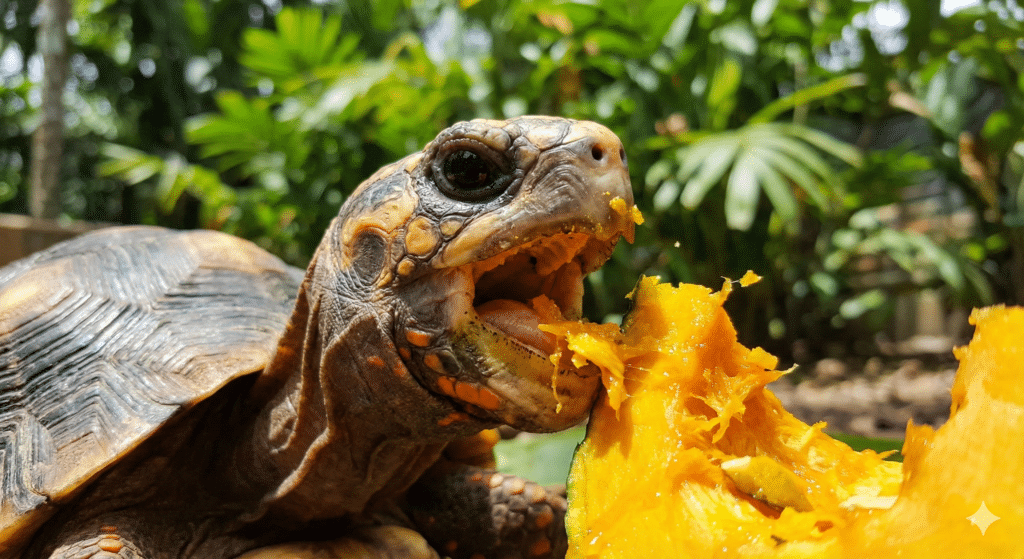
You’ll hear various sounds when your tortoise eats:
- Jaw creaking as they open and close their mouth
- Chomping as they bite through food
- Crunching when eating harder vegetables like carrots or cactus
- Tearing sounds as they rip leafy greens
Digestive Sounds
Like all animals, tortoises’ gastrointestinal tracts make sounds. You might hear:
- Grumbling or gurgling from their stomach
- Gas-related sounds
- Other digestive noises we won’t describe in polite company
All of these mechanical tortoise sounds are normal parts of daily life and not indicative of problems.
Sounds That Indicate Health Problems
Most tortoise sounds are perfectly normal. However, certain sounds signal respiratory infections or other health issues that need immediate attention.
Wheezing
Tortoises with respiratory infections often make wheezing sounds as they struggle to breathe. This sounds like labored, raspy breathing—clearly different from normal silent breathing.
Healthy tortoises breathe so quietly you typically can’t hear it at all. If you can hear your tortoise breathing during normal activity, something is wrong.
Clicking or Popping
Very faint clicking or popping sounds when breathing indicate mucus moving around in the respiratory tract. These sounds are subtle and you might only hear them when your tortoise is close to your ear.
These clicking tortoise sounds are serious warning signs of respiratory infection.
Audible Breathing
Any tortoise sounds related to breathing deserve attention. Tortoises should breathe silently. Audible breathing of any kind—whether wheezing, clicking, whistling, or just loud—suggests respiratory problems.

When to Seek Help
If you hear any breathing-related tortoise sounds, check for other symptoms:
- Watering eyes
- Nasal discharge (clear or colored)
- Mouth discharge or bubbles
- Lethargy
- Loss of appetite
- Open-mouth breathing
Seek veterinary help immediately if you suspect respiratory infection. These illnesses can become serious rapidly in tortoises, and early treatment dramatically improves outcomes.
Proper nutrition supports immune function that helps fight off infections. TheVitamin and Mineral Topper provides essential vitamins including vitamin A, which is crucial for maintaining healthy respiratory tract membranes. For young tortoises especially, theBaby Sulcata Superfood Powder offers comprehensive nutrition that supports developing immune systems.
Ultrasonic Sounds: The Fascinating Hypothesis
Here’s where things get really interesting: scientists suspect that some tortoises may make sounds we can’t even hear.
What Are Ultrasonic Sounds?
Ultrasonic sounds are frequencies higher than humans can detect—generally anything above 20 kilohertz. These sounds are quite common in nature. Many animals can hear ultrasonic frequencies that are completely inaudible to us.
Dog whistles are a familiar example—they produce ultrasonic sounds that dogs hear clearly but humans cannot perceive at all.
The Galapagos Tortoise Research
Galapagos tortoises are huge animals that are relatively easy to study in the wild compared to smaller, more elusive tortoise species. As scientists have spent more time observing these giant chelonians, they’ve noticed that their social interactions are often more complex than previously imagined.
This has led to a fascinating hypothesis: Galapagos tortoises may emit ultrasonic tortoise sounds that serve as a method of communication between individuals.
Why This Matters
If confirmed, this would dramatically change our understanding of tortoise communication and social behavior. It would mean that tortoises are having “conversations” we can’t hear—coordinating activities, establishing territories, or communicating in ways we’ve never recognized.
More research is needed to determine if this hypothesis is true. But it’s an important reminder that there may be many things happening in the lives of tortoises that we simply don’t perceive.
Your tortoise might be far more communicative than you realize—just not in ways our human senses can detect.
How to Reduce Unwanted Tortoise Sounds
Most keepers find the sounds their tortoises make interesting or even entertaining. However, some people find certain noises annoying, especially repetitive scratching or frequent bumping.
While you can’t stop tortoises from making many sounds, there are techniques that may help.
Reducing Hissing
There’s not much you can do about hissing except avoid stressing or frightening your tortoise. Over time, most tortoises become accustomed to their keeper’s presence and hiss less frequently.
Tips that help:
- Move slowly and predictably around your tortoise
- Speak softly
- Always be gentle during handling
- Approach from where your tortoise can see you
- Give your tortoise time to adjust to your presence
Reducing Bumping and Banging
You can significantly reduce bumping sounds by:
- Providing a larger habitat with more room to maneuver
- Rearranging furniture to create clearer pathways
- Covering transparent walls with opaque material to prevent constant pawing at glass
- Padding hard surfaces where your tortoise frequently bumps
- Using softer substrate that absorbs impact sounds
Managing Courtship and Mating Sounds
These tortoise sounds can be tricky to stop. The most reliable approach is separating tortoises so they can’t see or smell each other.
However, some owners report that separation causes certain individuals to vocalize more often, not less. The tortoise may be calling for a mate they can no longer access.
If the sounds don’t bother you, it’s generally better to just let nature take its course.
Addressing Health-Related Sounds
If your tortoise is producing breathing-related sounds that suggest illness, contact your vet immediately and follow their recommendations. Don’t try to “manage” these sounds—address the underlying health problem.
Remember that respiratory infections can quickly become serious in tortoises. Don’t delay seeking veterinary assistance.
Understanding Your Individual Tortoise’s Sounds
Every tortoise has somewhat unique patterns in the sounds they make. Some are naturally noisier than others. Some hiss at everything, while others rarely hiss at all.
Pay attention to what’s normal for your specific tortoise:
- How often do they typically hiss?
- Do they make courtship sounds?
- What mechanical sounds are part of their daily routine?
- Does their breathing ever make any sound?
Knowing your tortoise’s baseline makes it much easier to recognize when something changes. A normally quiet breather who suddenly becomes audibly wheezy is showing a clear warning sign. A tortoise who never hissed before but suddenly hisses constantly may be experiencing new stress.
Document what you observe. Keep notes about unusual tortoise sounds, when they occur, and any accompanying behaviors. This information is valuable for your vet if health concerns arise.
Species Differences in Tortoise Sounds
Different species make somewhat different sounds, especially during breeding.
Small Mediterranean species (Russians, Greeks, Hermann’s): Quiet overall, with soft squeaky mating sounds and subtle hissing.
Medium species (Red-foots, Yellow-foots): More vocal during breeding with distinctive clucking or chirping sounds. Moderate hissing.
Large grassland species (Sulcatas, Leopards): Deeper grunting mating sounds. Louder hissing due to larger lung capacity.
Giant species (Galapagos, Aldabras): Very loud mating moans that carry long distances. Impressive hissing sounds.
Understanding your species’ typical vocalizations helps you know what to expect.
The Bottom Line on Tortoise Sounds
Tortoises are generally quiet pets, but they’re far from silent. Understanding the various tortoise sounds your pet makes helps you interpret their behavior and recognize potential health problems.
Hissing during withdrawal is normal defensive behavior. Courtship and mating vocalizations are natural reproductive sounds that vary by species. Mechanical sounds from movement, eating, and digestion are all part of daily life.
The only tortoise sounds that should concern you are those related to breathing—wheezing, clicking, or any audible respiration. These indicate respiratory infections that need immediate veterinary attention.
Beyond health concerns, tortoise sounds provide a window into your pet’s life and behavior. They tell you when your tortoise is stressed, when breeding behavior is occurring, and how your pet navigates their environment.
Pay attention to these sounds. Learn what’s normal for your individual tortoise. And remember that even though tortoises don’t vocalize constantly like dogs or cats, they’re still communicating in their own unique ways.
Never Miss Warning Signs—Get Expert Support
Worried you might miss early warning signs of health problems? Want to understand everything your tortoise is trying to tell you through their behavior and sounds?
You don’t have to figure it all out alone. Thousands of experienced tortoise keepers are ready to help you succeed.
Join our community and get instant access to resources that help you catch problems early and provide excellent care:
✓ Exclusive Member Savings – Get discounts on premium supplements that support respiratory health and immune function, helping prevent the infections that cause abnormal breathing sounds
✓ Complete Tortoise Care Guide – Download “The Ultimate Guide to Tortoise Nutrition” covering the dietary choices that build strong immune systems capable of fighting off respiratory infections before they start
✓ Expert Health Training – Access “The Ultimate Sulcata Care Webinar” with detailed guidance on recognizing early warning signs of illness, including subtle changes in breathing and behavior that indicate problems
✓ 24/7 Community Support – Join our private Facebook group where experienced keepers help you troubleshoot concerns like “Is this sound normal?” and “Should I be worried?” Get real-time advice from people who’ve been there
✓ Health Monitoring Templates – Download tools for tracking your tortoise’s normal behaviors and sounds so you can quickly spot deviations that might indicate problems
The difference between catching a respiratory infection early (when it’s easily treatable) and catching it late (when it’s potentially fatal) often comes down to recognizing subtle changes quickly. Our community gives you the knowledge and support to spot warning signs before they become emergencies.
Get your free resources and join thousands of successful tortoise keepers →
Citations
- Smithsonian Folk Ways Recording – Tortoise Mating Calls
- LiveScience – Animal Sex: How Galapagos Tortoises Do It
- Animal Diversity Web – Manouria emys, Brown Tortoise